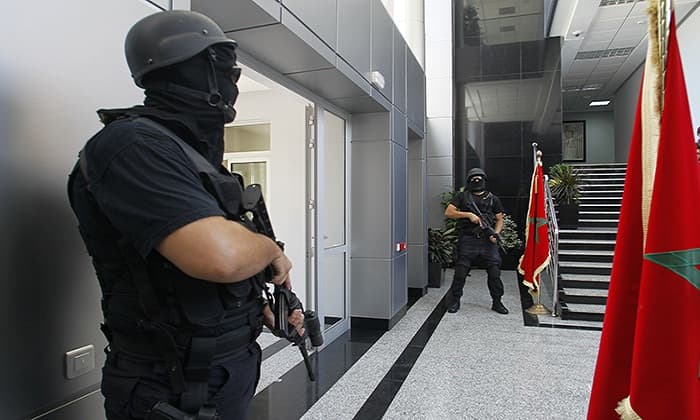
The Ministry of Interior announced that the security approach adopted by specialized services enabled the dismantling of 229 terrorist cells, along with the foiling of more than 400 terrorist plots before their execution, during the period from 2002 to the end of April of the current year.
This tally reflects the effectiveness of Morocco's proactive strategy in confronting the scourge of terrorism, based on detecting threats before they occur. These proactive operations have dismantled dangerous networks planning to target sensitive facilities, tourist sites, and vital centers. Continuous security vigilance has also thwarted attempts to recruit and transfer fighters to international conflict zones. Thus, Morocco continues to strengthen its position as a leading country in the fight against terrorism at both regional and international levels.
Interior Minister Abdelouafi Laftit, responding to a written question from parliamentary deputy Nabil Dakkach of the Haraki group, explained that Morocco has adopted an integrated strategy to combat various forms of crime, with a special focus on organized crime and cross-border crimes. The Minister emphasized that this strategy is not limited to security aspects alone but includes preventive, social, and educational dimensions. He noted that tight coordination between various security and intelligence services was a decisive factor in the successes achieved. He also stressed that continuously updating working mechanisms and qualifying human resources is a fundamental pillar for keeping pace with the evolving methods of terrorist organizations. In this regard, he highlighted the important role of central services in collecting and analyzing information to guide preemptive strikes with great precision.
The Minister pointed out that this strategy is based on giving top priority to confronting terrorism and extremism, combating the financing of terrorist activities, as well as fighting cybercrimes, human trafficking networks, money laundering operations, and international drug trafficking. These criminal activities often overlap, as terrorist networks use the same channels as organized crime gangs to finance their operations. Therefore, security services have worked to develop their capabilities in tracking and analyzing suspicious financial flows. Specialized units have also been created to combat cybercrimes used by extremist groups to spread propaganda and raise funds. This integration contributes to drying up terrorist financing sources and undermining its ability to carry out operations.
He added that this security approach also relies on strengthening international cooperation, whether bilateral or multilateral, at international, regional, and Arab levels, through active engagement in joint programs, initiatives, and action plans. This international openness has resulted in a qualitative exchange of intelligence information that contributed to foiling plots targeting several Western and Arab countries. Morocco also actively participates in joint training programs and knowledge transfer, especially with African countries seeking to build their counter-terrorism capabilities. This cooperation enhances cross-border monitoring of extremist movements and controls the flow of foreign fighters. Through this dynamic, Morocco has become an indispensable partner in global security alliances to combat new threats.
Regarding confronting extremist discourse in the digital space, Laftit confirmed that the General Directorate of National Security is working to activate a set of mechanisms based on disseminating an alternative and counter digital discourse, utilizing electronic platforms including the "Iblagh" (Report) platform, which allows citizens to report extremist content. The platform has recorded remarkable interaction from citizens who have become aware of the importance of their role in protecting the societal fabric. In addition to monitoring, authorities are producing contemporary digital content that presents a correct understanding of religion and reinforces values of tolerance and citizenship. This counter-discourse is particularly directed at young people and vulnerable groups, who are the primary targets of online recruitment operations. The Interior Minister concluded by affirming that these measures are part of a participatory and legal approach based on involving citizens and enhancing their contribution to the success of the measures and procedures adopted by public authorities in the field of security and countering extremism.